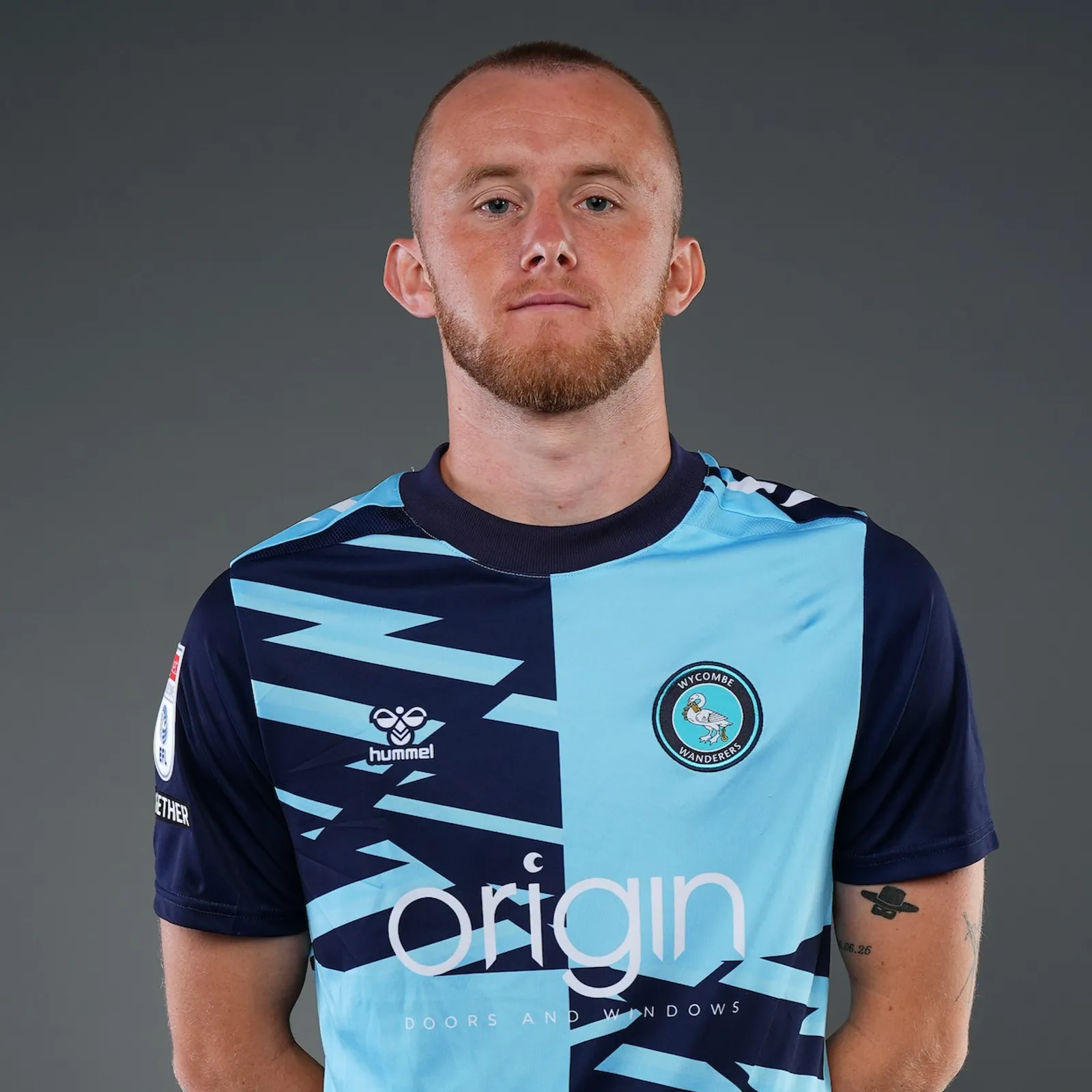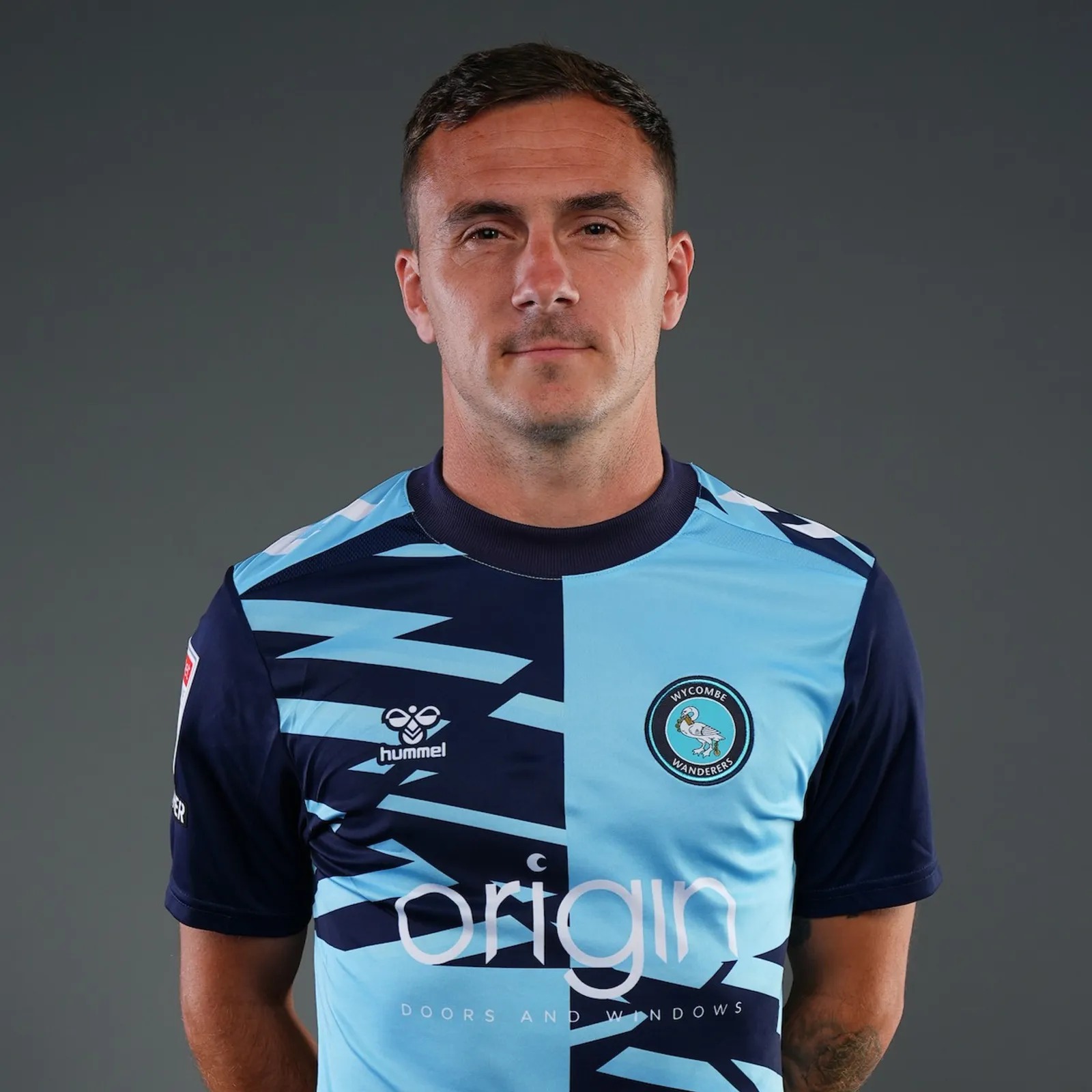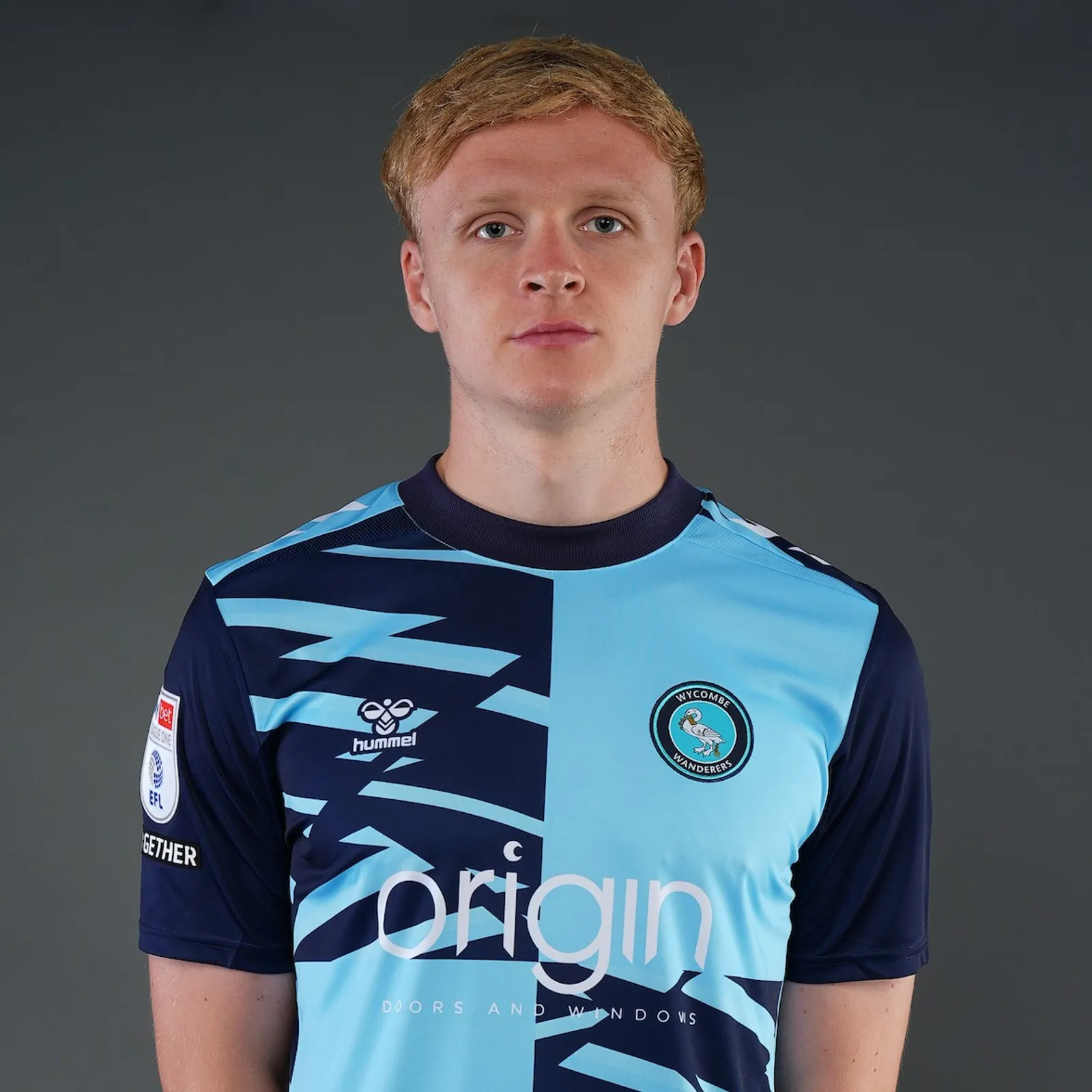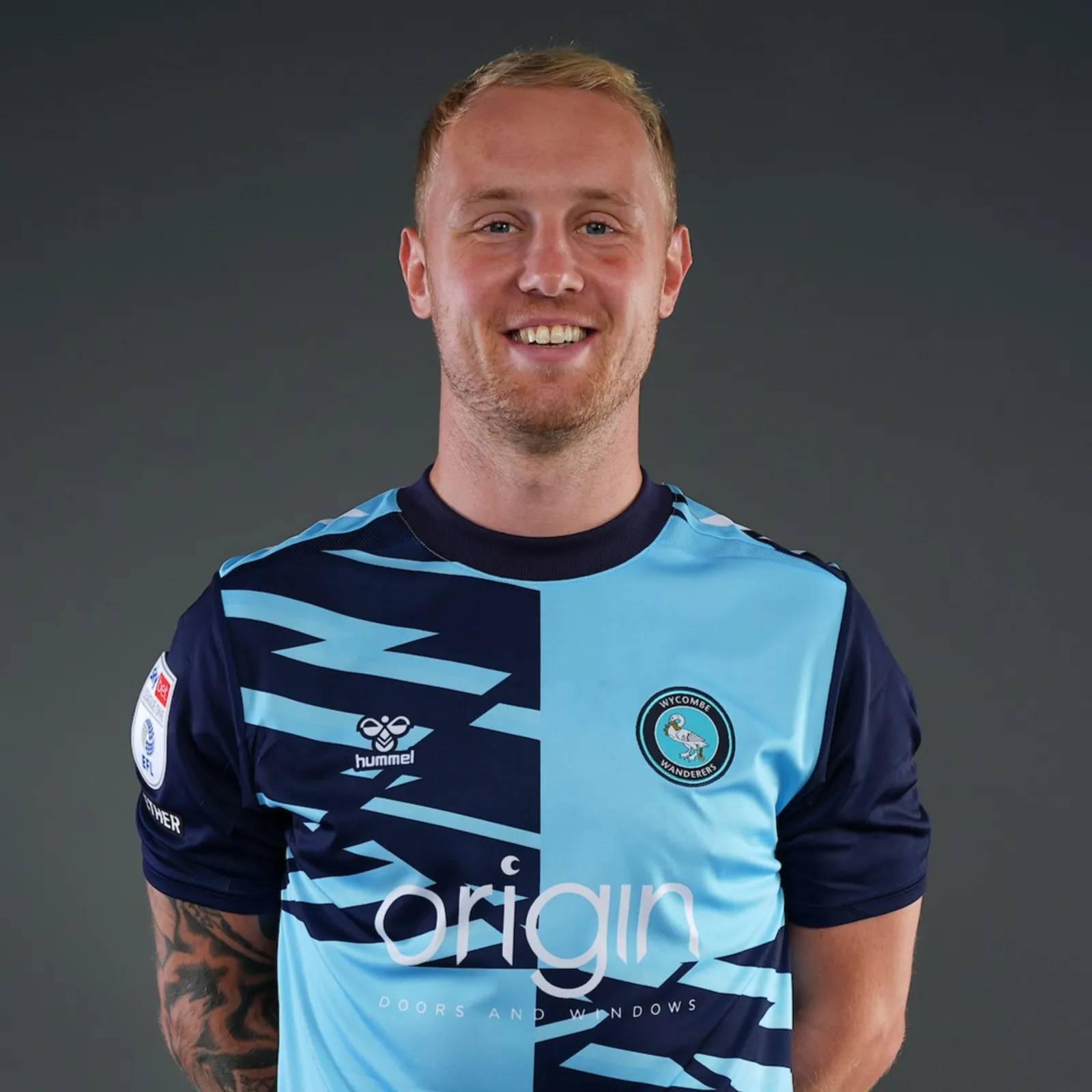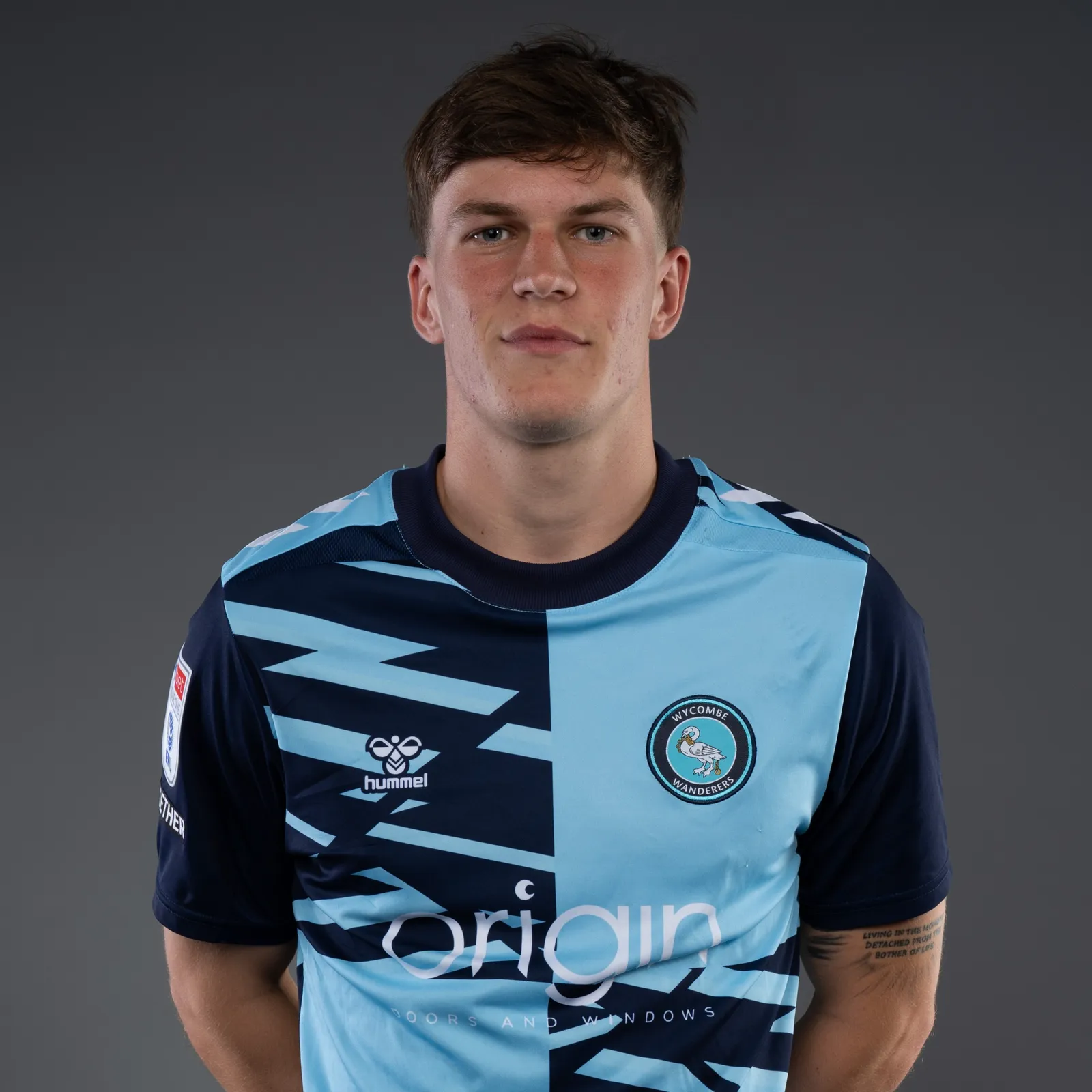
Michael Duff

Michael Duff

MANAGER

SEASON

EFL League One

Michael Duff

Michael Duff

MANAGER

Founded 1887 · High Wycombe · EFL League One

Wycombe Wanderers

Wycombe Wanderers Football Club () is a professional association football club based in the town of High Wycombe, Buckinghamshire, England.

Founded
1887
Ground
Adams Park
Capacity
10,284
Manager
Michael Duff
FOUNDED 1887GROUND Adams ParkCAPACITY 10,284LEAGUE EFL League OneMANAGER Michael DuffOWNED BY Supporters

THE CLUB

About Wycombe Wanderers

Where the club came from, where it plays and how it got here.

Wycombe Wanderers Football Club () is a professional association football club based in the town of High Wycombe, Buckinghamshire, England. The team competes in League One, the third level of the English football league system.

Founded in 1887, they entered the Southern League in 1896. They switched to the Great Western Suburban League in 1908 and then the Spartan League in 1919, before joining the Isthmian League after winning the Spartan League in 1919–20 and 1920–21. They spent 64 years in the Isthmian League, winning eight league titles and one FA Amateur Cup title. Having rejected numerous invitations to join the Alliance Premier League (now National League), they finally accepted an offer in 1985 and eventually found success in the fifth tier of English football under the management of Martin O'Neill, winning promotion into the Football League as Football Conference champions in 1992–93. They also lifted the FA Trophy in 1991 and 1993, and won the Conference League Cup, Conference Shield (three times) and Conference Charity Shield.

The exact details of the formation of Wycombe Wanderers F.C. have largely been lost to history. A group of young furniture trade workers started a team to play matches which led to a meeting, held at the Steam Engine public house in Station Road, High Wycombe in 1887 which saw the formation of Wycombe Wanderers F.C. It is highly likely the club was named Wanderers after the famous Wanderers, winners of the first FA Cup in 1872. The club played friendly matches between 1887 and 1896. It first entered the FA Amateur Cup in 1894 and the FA Cup in 1895. In 1895 the club moved to Loakes Park, which would become its home for the next 95 years. In 1896 the club joined the Southern League and competed in the Second Division until 1908.

In the summer of 1908 the club declined the invitation to retain their membership of the Southern League. The club decided to pursue amateur instead of professional football and joined the Great Western Suburban League and remained there until the outbreak of the First World War. After the hostilities had ended the club joined the Spartan League in 1919 and were Champions in successive years. In March 1921 the club's application to join the Isthmian League was accepted.

The club remained a member of the Isthmian League until 1985, when they finally accepted promotion to the Alliance Premier League. For over sixty years the Wanderers sought to be the greatest amateur club in the country. One of the club's greatest achievements came in April 1931 when it won the FA Amateur Cup. The Wanderers beat Hayes 1–0 in the final at Highbury, home of Arsenal. The club also reached the first round proper of the FA Cup for the first time in November 1932, losing to Gillingham in a replay at Loakes Park.

The club remained active during the Second World War, competing in the Great Western Combination, which was won in 1945. In 1947 Frank Adams, who had captained the club to its double Championship victories in the Spartan League and made 331 appearances for the Wanderers, scoring 104 goals, made arguably his greatest contribution when he gave Loakes Park to the club. It provided the basis for a period of unprecedented success in 1950s.


Following every Wycombe Wanderers fixture?

Team news, line-ups and full-time reaction from Adams Park.

See our predictions

Club records

    PLAYERS

    The Wycombe Wanderers squad

    Registered players with appearances and goals across all competitions.

    Midfielders

    Aaron Morley

    Aaron Morley

    Apps
    0
    Goals
    Caolan Boyd Munce

    Caolan Boyd Munce

    Apps
    0
    Goals
    Ewan Henderson

    Ewan Henderson

    Apps
    0
    Goals
    Josh Scowen

    Josh Scowen

    Apps
    0
    Goals
    Luke Leahy

    Luke Leahy

    Apps
    0
    Goals

    Forwards

    Armando Junior Quitirna

    Armando Junior Quitirna

    Apps
    0
    Goals
    Cauley Woodrow

    Cauley Woodrow

    Apps
    0
    Goals
    Silko Thomas

    Silko Thomas

    Apps
    0
    Goals

    Defenders

    Connor Taylor

    Connor Taylor

    Apps
    0
    Goals
    Dan Casey

    Dan Casey

    Apps
    0
    Goals
    Daniel Harvie

    Daniel Harvie

    Apps
    0
    Goals
    Jack Grimmer

    Jack Grimmer

    Apps
    0
    Goals
    Sam Parker

    Sam Parker

    Apps
    0
    Goals

    Goalkeepers

    Conor Hazard

    Conor Hazard

    Apps
    0
    Goals
    Mikki van Sas

    Mikki van Sas

    Apps
    0
    Goals
    SQUAD BY AGE
      The squad after a win at Plough Lane
      The squad after a win at Plough Lane

      THE GROUND

      Adams Park

      Capacity, layout and how to reach Adams Park on a matchday.

      North Stand South Stand West Stand East Stand

      The South Stand was completed with money raised from supporters through a bond issue, taking the ground to its present capacity.

      THE GROUND
      10,284SEATS
      Opened
      Address
      High Wycombe
      Pitch
      Grass, 105 × 68 m
      HOME ATTENDANCE
      GETTING THERE

      HISTORY

      The history of Wycombe Wanderers

      The moments that shaped the club, in the order they happened.

      Six turning points

      1. 1887

        A group of young furniture trade workers formed Wycombe Wanderers at a meeting held at the Steam Engine public house in Station Road, High Wycombe.

      2. 1895

        The club moved to Loakes Park, which would serve as its home ground for the next 95 years.

      3. 1921

        Having won the Spartan League in successive seasons, the club was accepted into the Isthmian League, where it would remain for 64 years.

      4. 1931

        Wycombe won the FA Amateur Cup, beating Hayes at Highbury in what stood as one of the club's most significant achievements of the amateur era.

      5. 1947

        Former player and club captain Frank Adams gifted Loakes Park to the club, providing a foundation for the success that followed in the 1950s.

      6. 1993

        Under Martin O'Neill, Wycombe won the Football Conference championship and entered the Football League for the first time, having also lifted the FA Trophy in 1991 and 1993.

      RIVALRIES

      Rivalries

      The fixtures that carry more weight than the league table suggests.

      Hayes

      Hayes were the opponents Wycombe defeated in the 1931 FA Amateur Cup final at Highbury, a result that stands as one of the defining moments of the club's amateur history.

      QUESTIONS

      Questions supporters ask

      Short answers on the club, the ground and getting there.

      When was Wycombe Wanderers founded?

      The club was founded in 1887, when furniture trade workers met at the Steam Engine public house in Station Road, High Wycombe to form the club.

      Which league do Wycombe Wanderers currently play in?

      Wycombe Wanderers compete in EFL League One, the third tier of the English football league system.

      What is the capacity of Adams Park?

      Adams Park has a capacity of 10,284.

      How did Wycombe Wanderers reach the Football League?

      They won the Football Conference championship in 1992–93 under manager Martin O'Neill, earning promotion into the Football League for the first time.

      What major cup honours did Wycombe win before joining the Football League?

      The club won the FA Amateur Cup in 1931 and the FA Trophy in both 1991 and 1993, along with eight Isthmian League titles.

      See our predictions

      Standings, results and fixtures across the division, updated after every round.

      See our predictions